Journal ·
The Willamette Falls waterfront is being rebuilt around Oregon City
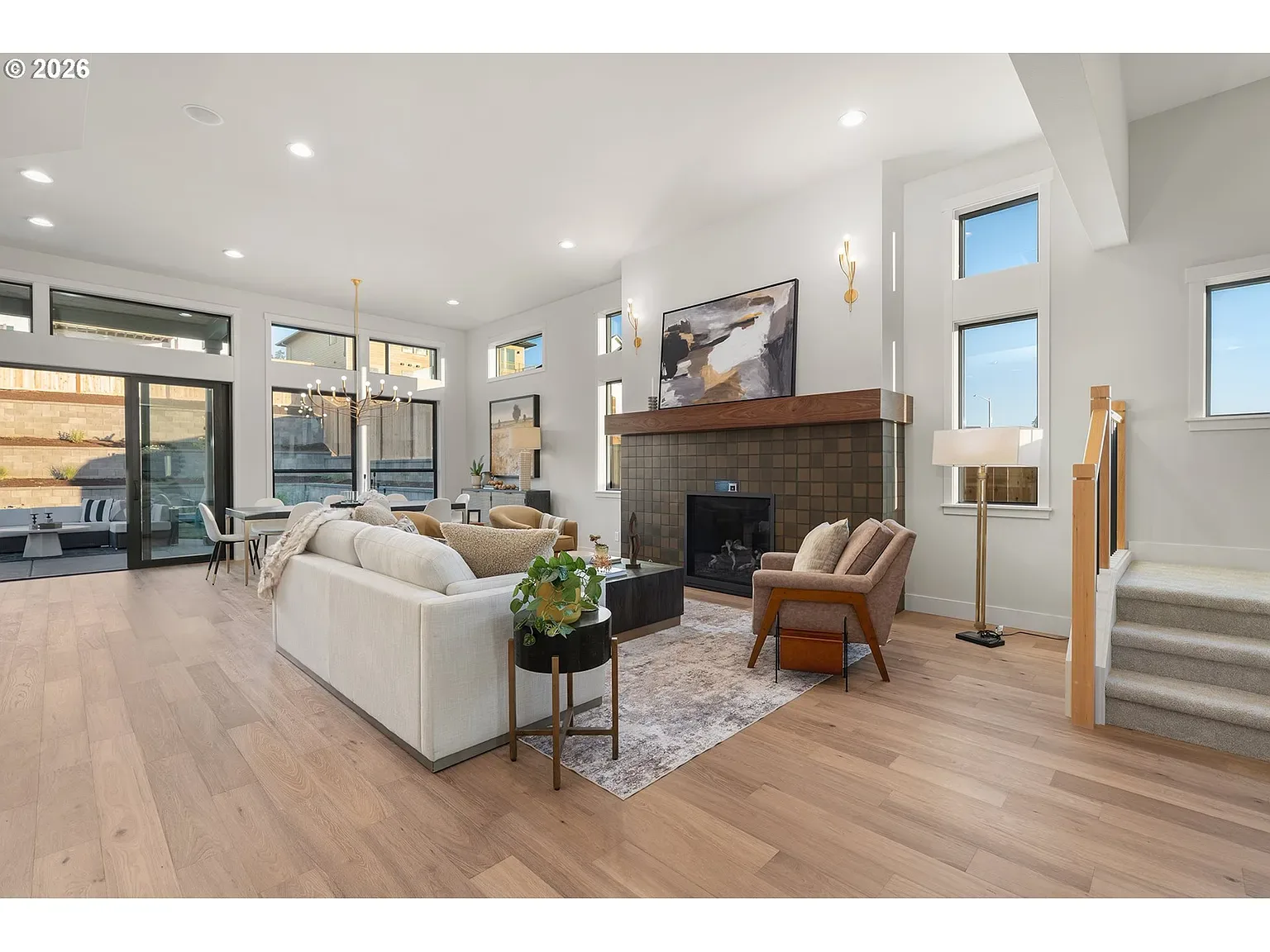
For a century the falls above Oregon City powered paper mills, and for decades the riverside was fenced off from the town that grew beneath it. That is changing in a big way: the Confederated Tribes of Grand Ronde broke ground this spring on tumwata village, its redevelopment of the old Blue Heron mill site, and the city and tribe are designing a public riverwalk that would open the base of the falls to visitors for the first time in generations. Here is the two-decade plan, what has actually been completed or begun as of November 2026, and what it means for buyers looking at a home a few minutes away, like 14986 Jennetten Way.
tumwata village: five years of planning, now under construction
The Grand Ronde bought the 23-acre former Blue Heron Paper Company mill site atop the falls in 2019, demolished most of the old plant, and broke ground on May 28, 2026 on the first phase of infrastructure. Contractors are now building new streets, including a new Eel Road connection to McLoughlin Boulevard, along with sidewalks, curbs, and the storm, sewer, water, and utility systems the future village will need. Officials put the phase-one infrastructure timeline at roughly 12 to 15 months.
The first buildings planned after the ground work are an apartment complex and a mixed-use building with ground-floor retail, second-floor offices, and a third-floor events center with a patio, per coverage from OPB and The Oregonian. In June the tribe also received a $4 million EPA grant toward demolishing the remaining mill buildings, and in late July its Tribal Council approved a professional services agreement, with the City of Oregon City, to design the next development phase. The full village build-out is expected to unfold over roughly two decades.
As of mid-November 2026, infrastructure and demolition work continues on the site. An August site visit documented crews locating old underground storage tanks containing industrial chemicals, some of which had leaked into the soil, per The Oregonian, a reminder that cleaning a century of mill use takes time. And in November's election, Oregon City voters chose Adam Marl as mayor, the city's first Asian American mayor, with the riverwalk and tumwata village named among the projects ahead for his term, per Hoodline.
The riverwalk that would open the falls to the public
Alongside the village, Oregon City and the tribe are advancing a planned public riverwalk along the former mill site, the missing piece of a continuous public riverside that would let people stand at the foot of Willamette Falls for the first time in generations. The effort was revived in 2025 when the city gained access to $12.5 million in previously allocated state funds, to be distributed through Oregon Parks and Recreation. On July 30, 2026, the two partners selected Maul Foster & Alongi as lead design consultant for the next riverwalk segment, advancing detailed design, engineering, and permitting with a culturally informed approach.
Four projects, about $85 million, one generational change
The riverwalk and tumwata village are the two largest of four lead projects around the falls: the third is the Willamette Falls Trust effort, which works across public access and education, and the fourth is the renovation of the historic Willamette Falls Locks, the river's aging navigation link. As The Oregonian noted this September, the four efforts together are backed by roughly $85 million in pledged local, state, and federal funding, and they are described as a generational facelift of the falls. None of this happens overnight, which is its own kind of good news for the neighborhood: value that accrues in stages, over years, rather than all at once.
What it means if you are buying in Oregon City
For a buyer, the practical takeaway is that Oregon City's biggest new amenity is being assembled below the bluff: a restored riverfront, public falls access, tribal-owned residential and commercial space, and a ribbon of public riverwalk connecting it. That is the kind of infrastructure that shows up in neighborhood profiles, future comparables, and long-term livability, and it is happening within minutes of the hillside communities like Serres Farms. The timeline matters more than the renderings: phase one is 12 to 15 months of streets and utilities, the first buildings come after, and the full village is a roughly two-decade arc, so expect the change in chapters.
The place to see the work from is the bluff and the riverfront walkways that already exist: Willamette Falls is visible from several river-level viewpoints in downtown Oregon City, and the Municipal Elevator makes the between-decks commute a tourist attraction. We mapped the full two-day route in our weekend guide to the town, and the neighborhood page collects the schools, commute, and local spots that make the area worth the drive from the hills.